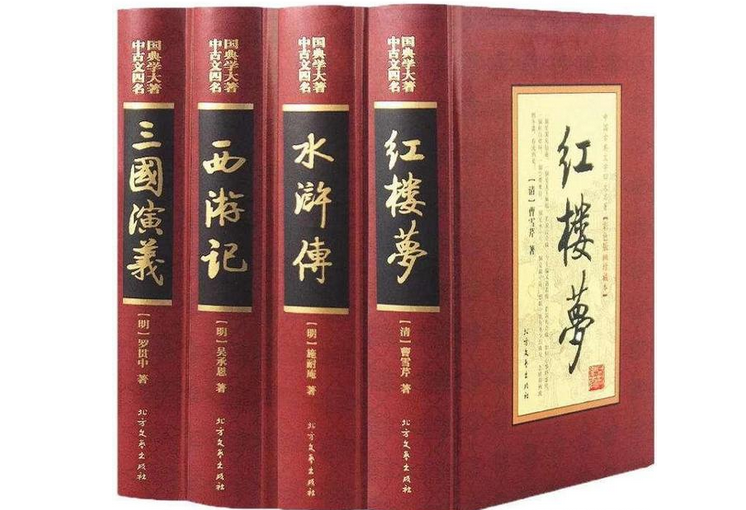
Four Great Classical Novels
Introduction
The Four Great Classical Novels of Chinese literature are considered to be the pinnacle of China's literary achievements. These novels are The Water Margin (also known as Outlaws of the Marsh), Journey to the West, Romance of the Three Kingdoms, and Dream of the Red Chamber (also known as A Dream of Red Mansions). Each of these novels is a monumental work that reflects the social, political, and cultural fabric of the time in which they were written.
The Water Margin
The Water Margin, attributed to Shi Nai'an, is set during the Song Dynasty (960-1279) and narrates the adventures of 108 outlaws who gather at Mount Liang. These rebels fight against corrupt officials, and the novel explores themes of loyalty, justice, and brotherhood. The novel is celebrated for its vivid characters and complex interplay of personal and political motivations. It has inspired countless adaptations, including operas, films, and television series.
Journey to the West
Journey to the West by Wu Cheng'en is a fantastical tale about the pilgrimage of the Buddhist monk Xuanzang and his three disciples—Sun Wukong (the Monkey King), Zhu Bajie (Pigsy), and Sha Wujing (Sandy)—to India to obtain sacred Buddhist texts. The novel blends elements of adventure, allegory, and satire, and it is particularly known for its rich imagination and profound spiritual insights. It has had a lasting impact on popular culture, influencing stories, animations, and other forms of media around the world.
Romance of the Three Kingdoms
Romance of the Three Kingdoms by Luo Guanzhong is a historical novel set during the turbulent years at the end of the Han Dynasty (206 BC-220AD) and the Three Kingdoms period (220-280). It dramatizes the lives of feudal lords and their retainers as they vie for control of China. The novel is notable for its intricate plots, strategic insights, and exploration of Confucian values such as loyalty and righteousness. It has been adapted into numerous movies, TV series, games, and even a popular card game, Legend of the Three Kingdoms.
Dream of the Red Chamber
Dream of the Red Chamber, written by Cao Xueqin, is a semi-autobiographical novel that provides a detailed portrayal of the aristocratic Jia family during the mid-Qing Dynasty (1644-1911). It is acclaimed for its realistic depiction of social customs, family dynamics, and the complexities of human emotions. The novel is a rich tapestry of themes including love, fate, and the transience of life. It has inspired extensive academic study, known as Redology, and remains a touchstone of Chinese literature, influencing both traditional and modern art forms.
Cultural Influence and Adaptations
The Four Great Classical Novels have had a profound influence on Chinese culture and have been adapted into various forms of art, including Peking Opera, shadow puppetry, and modern television dramas. They continue to be studied for their literary, historical, and cultural significance, offering insights into the social values and philosophical ideas of their time.
These novels also serve as a bridge connecting the past with the present, providing modern readers with an understanding of traditional Chinese culture and its lasting legacy. They remain popular not only in China but also internationally, engaging readers with their storytelling prowess and universal themes.








